The internet was never neutral. For women and girls across Southeast Asia, it has become one of the most active sites of gender-based violence and one of the least accountable.
Across Southeast Asia, digital spaces have become one of the most active sites of human rights violations against women and girls. Cyberbullying, sexual harassment, non-consensual sharing of intimate images, and digital stalking are not peripheral risks. They are structural ones. They are built into platforms that move faster than legislation and sustained by social norms that fill every space the law leaves open.
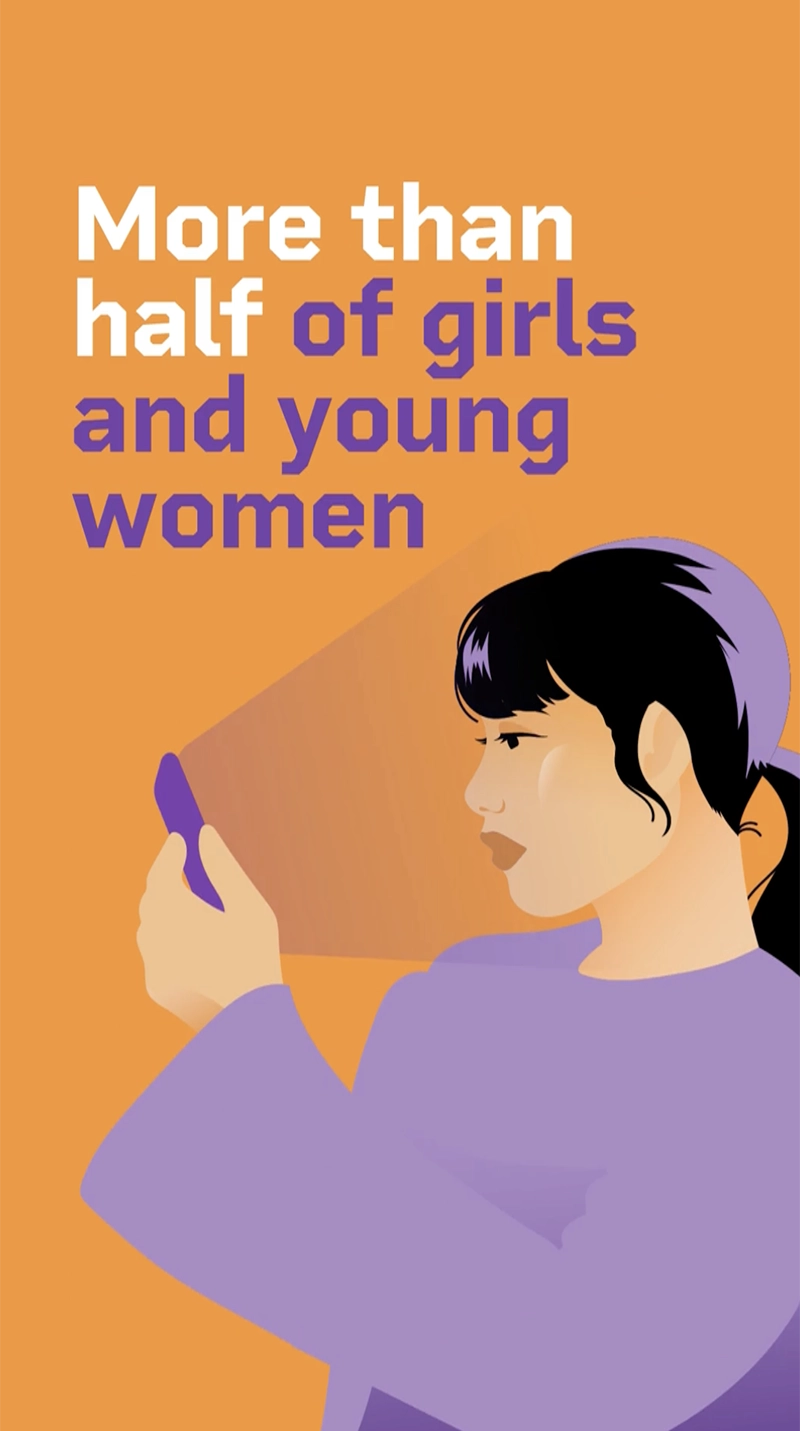
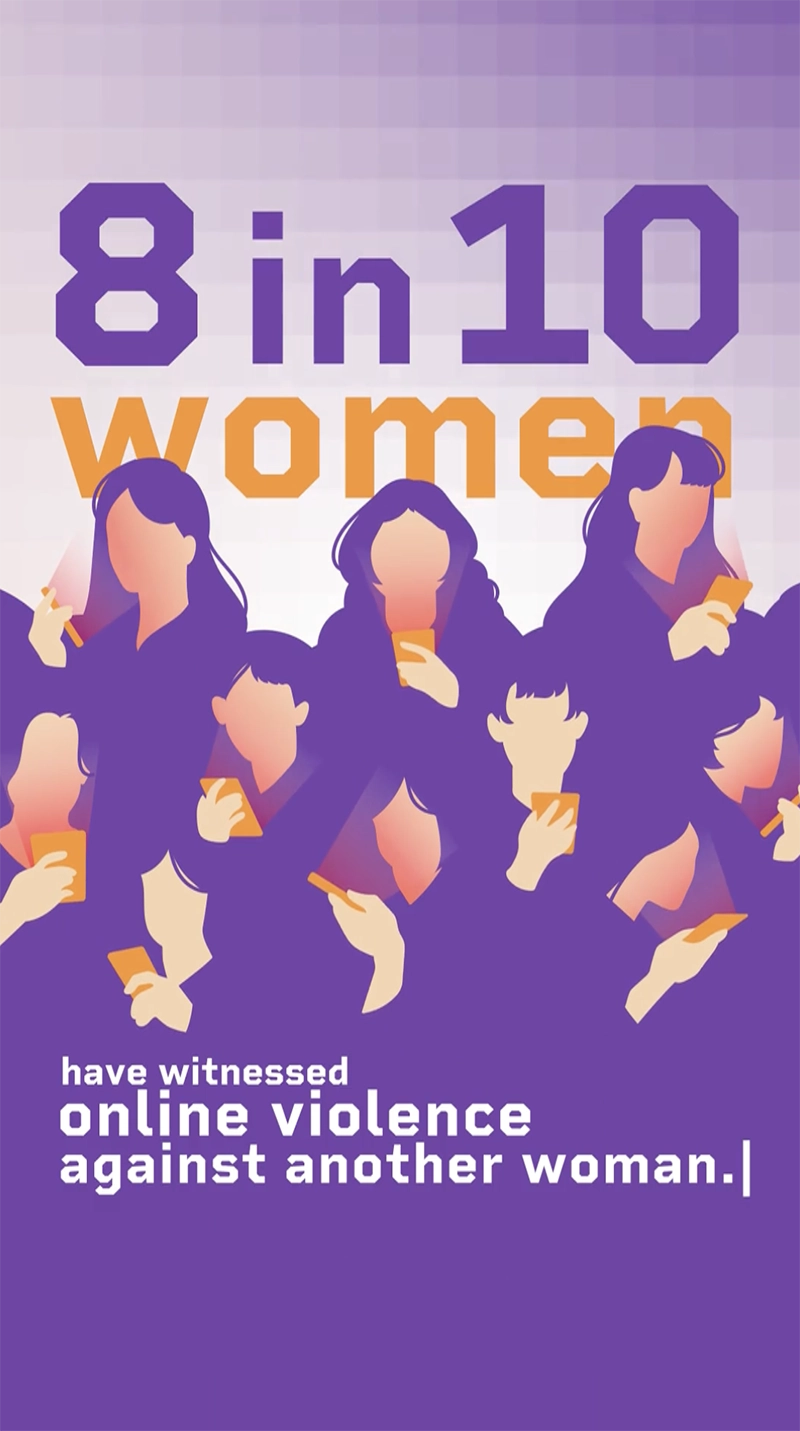
The Institute of Development Studies estimates that between 16 and 58 per cent of women have experienced online gender-based violence. According to the Economist Intelligence Unit, 38 per cent of women have encountered online abuse directly, while 85 per cent of women who spend time online have witnessed it happening to someone else. Behind every figure is a violation of a woman’s right to safety, dignity, and full participation in public life.
In October 2024, we facilitated a two-day regional consultation in Bangkok, convened by ASEAN and UNFPA Asia and the Pacific to address online violence against women and girls across the region. Our role went beyond facilitation. We brought stakeholders together to map the problem, surface priorities, and build the strategic architecture that would turn regional commitment into coordinated action. The campaign strategy and the we developed was a direct output of that process.
Five strategic objectives emerged from the consultation. One rose above the rest. The priority was empowering women, girls, and bystanders — including men and boys. They needed the knowledge to recognise abuse, the confidence to report it, and clarity about where to seek support. That mandate shaped what the campaign needed to be: not a cautionary message, but an assertion of rights.
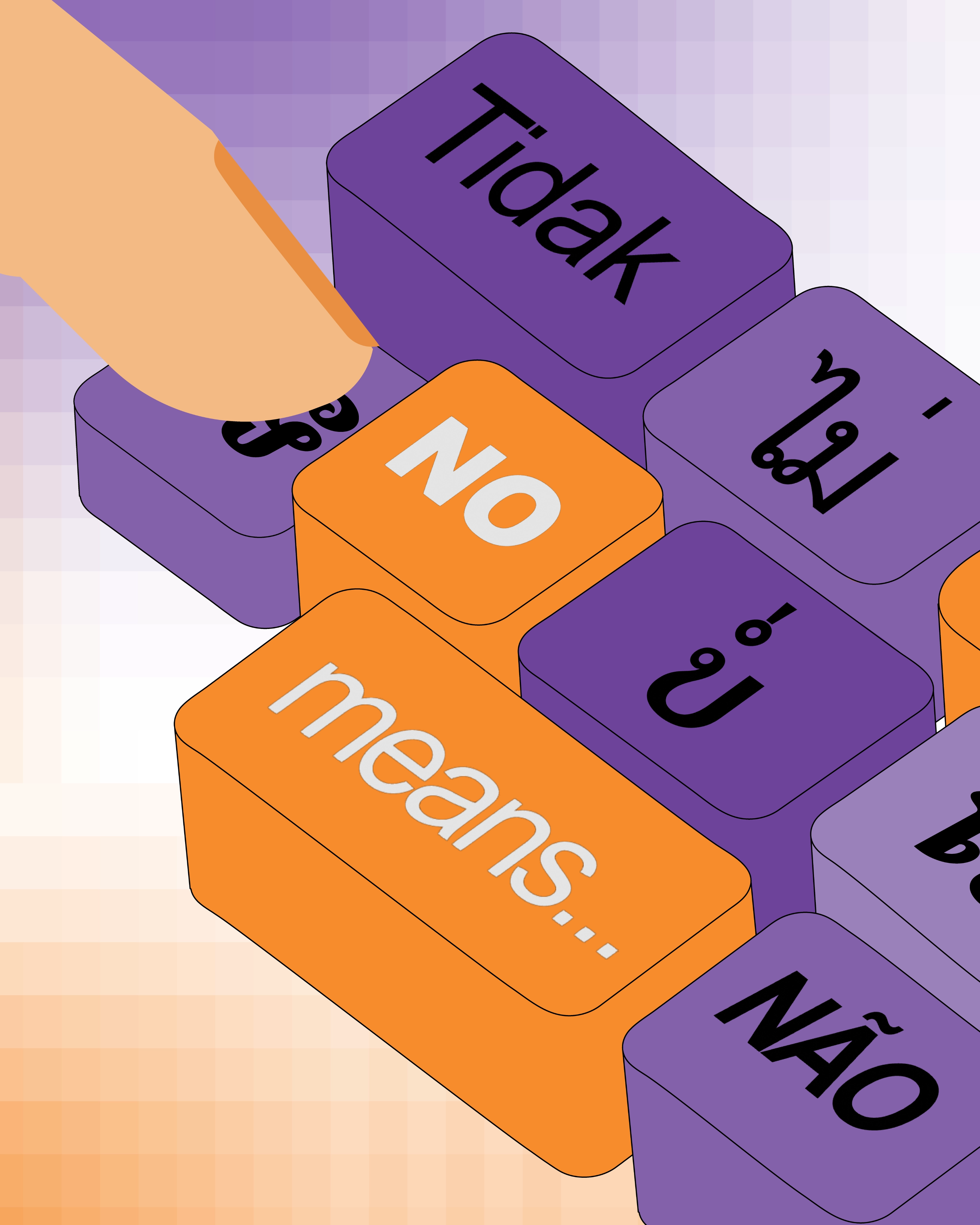
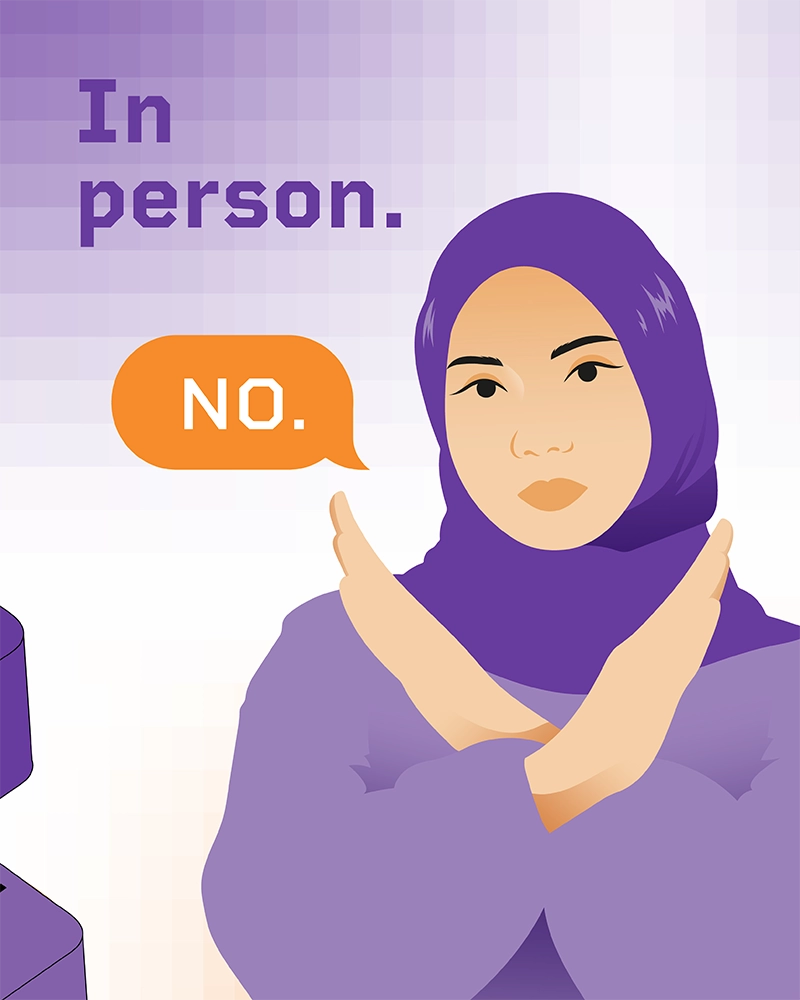
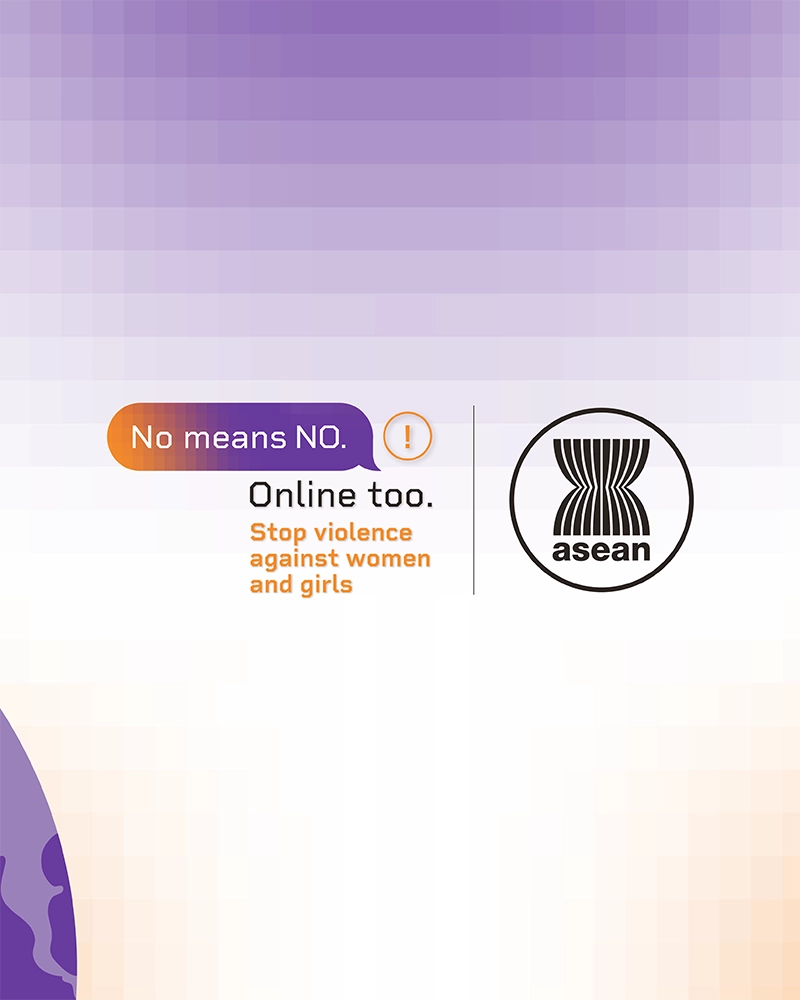
Consent is a right, not a preference, and it does not change when a conversation moves from the street to a screen. The campaign against digital gender-based violence named «No Means No. Online Too», was built on that foundation.
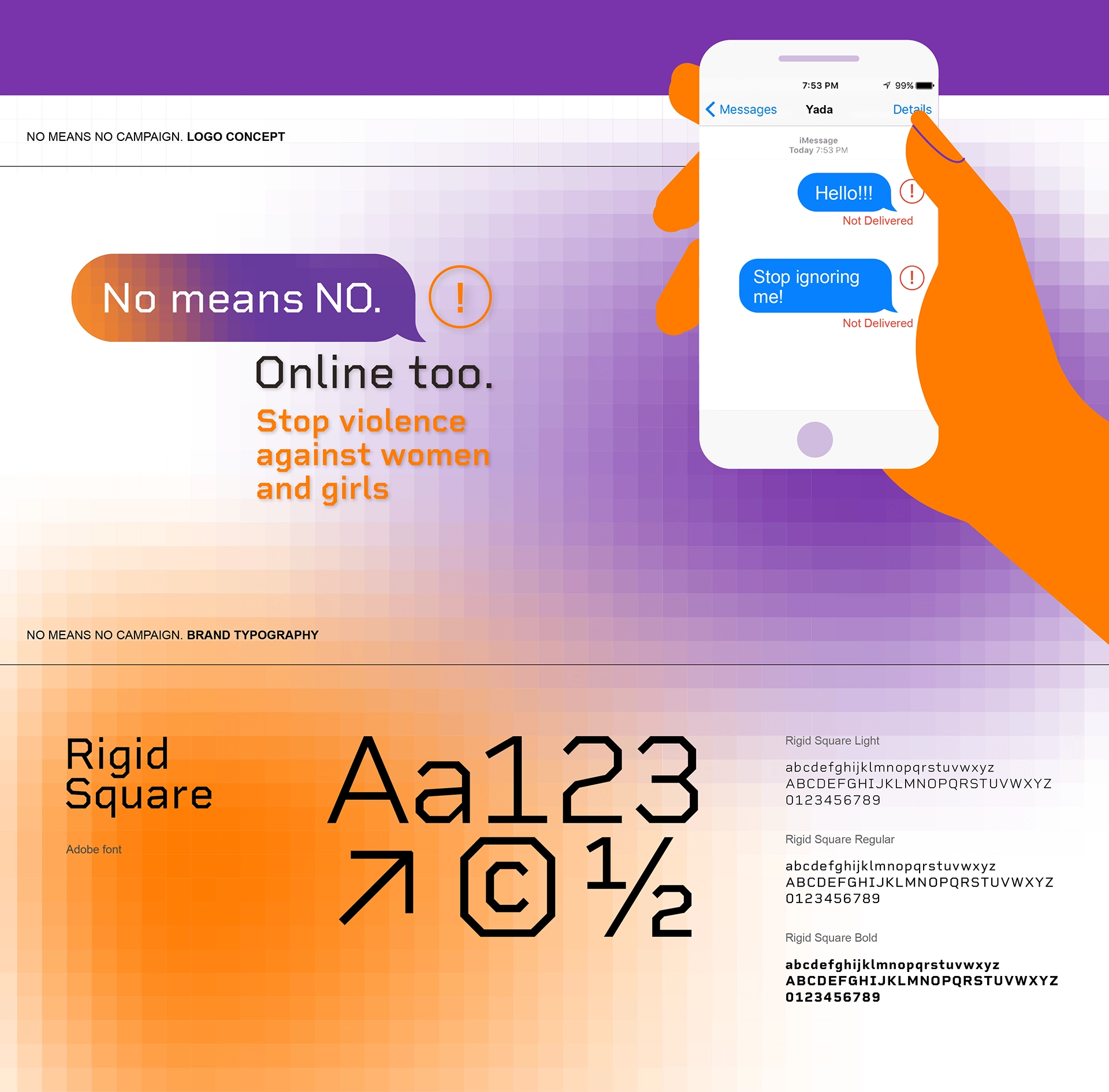
The visual identity draws from the ASEAN colour palette — orange and purple, colours long carried by global movements to end violence against women. Pixelated textures run through every asset as a deliberate anchor to the digital environments where these rights violations occur.
The logo translates the campaign’s core argument into visual form: a speech bubble fused with a «message not delivered» alert, speaking the everyday language of blocking and refusal that users across the region already navigate as a survival strategy. The design doesn’t illustrate the campaign’s message, it enacts it.
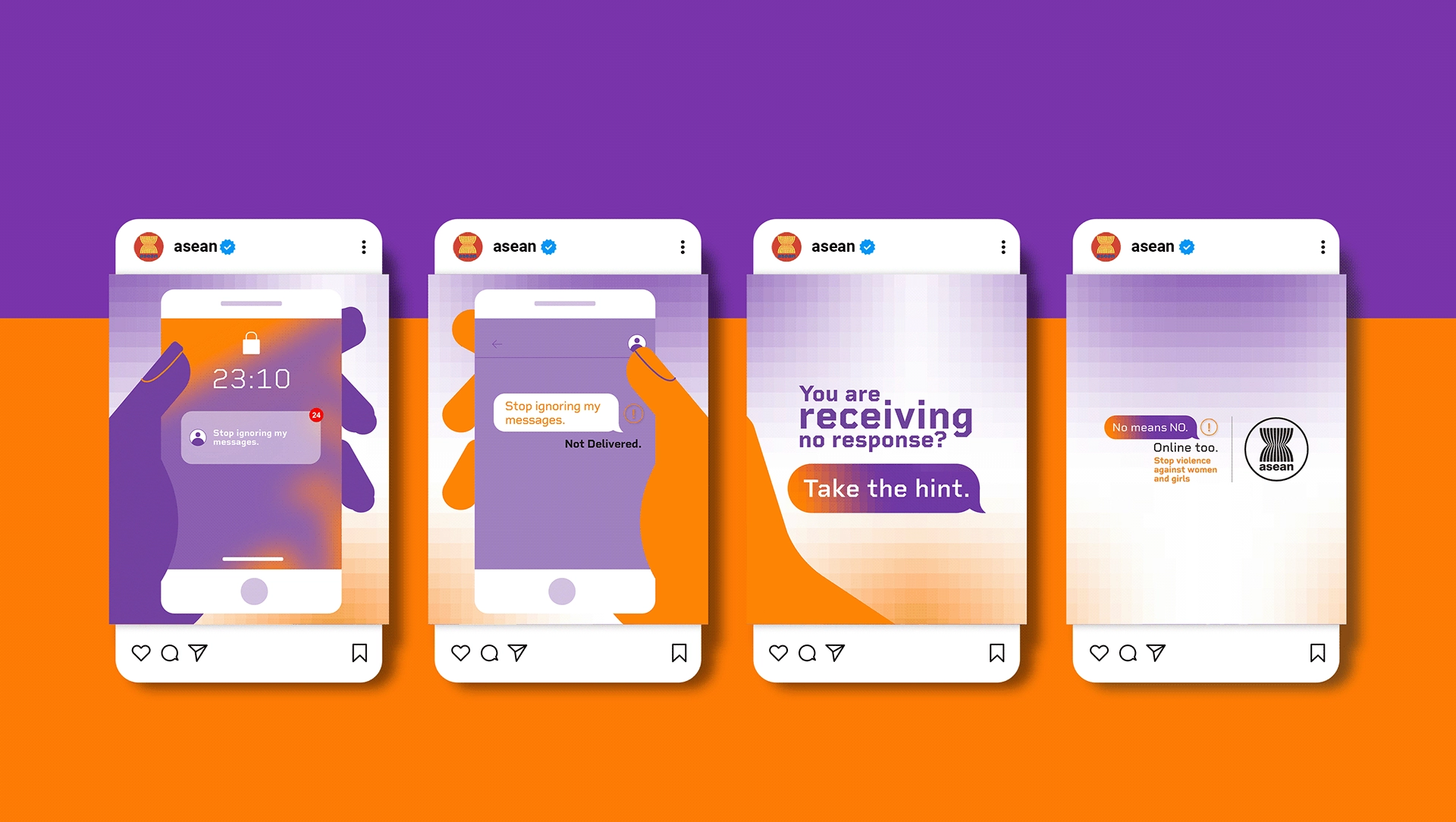
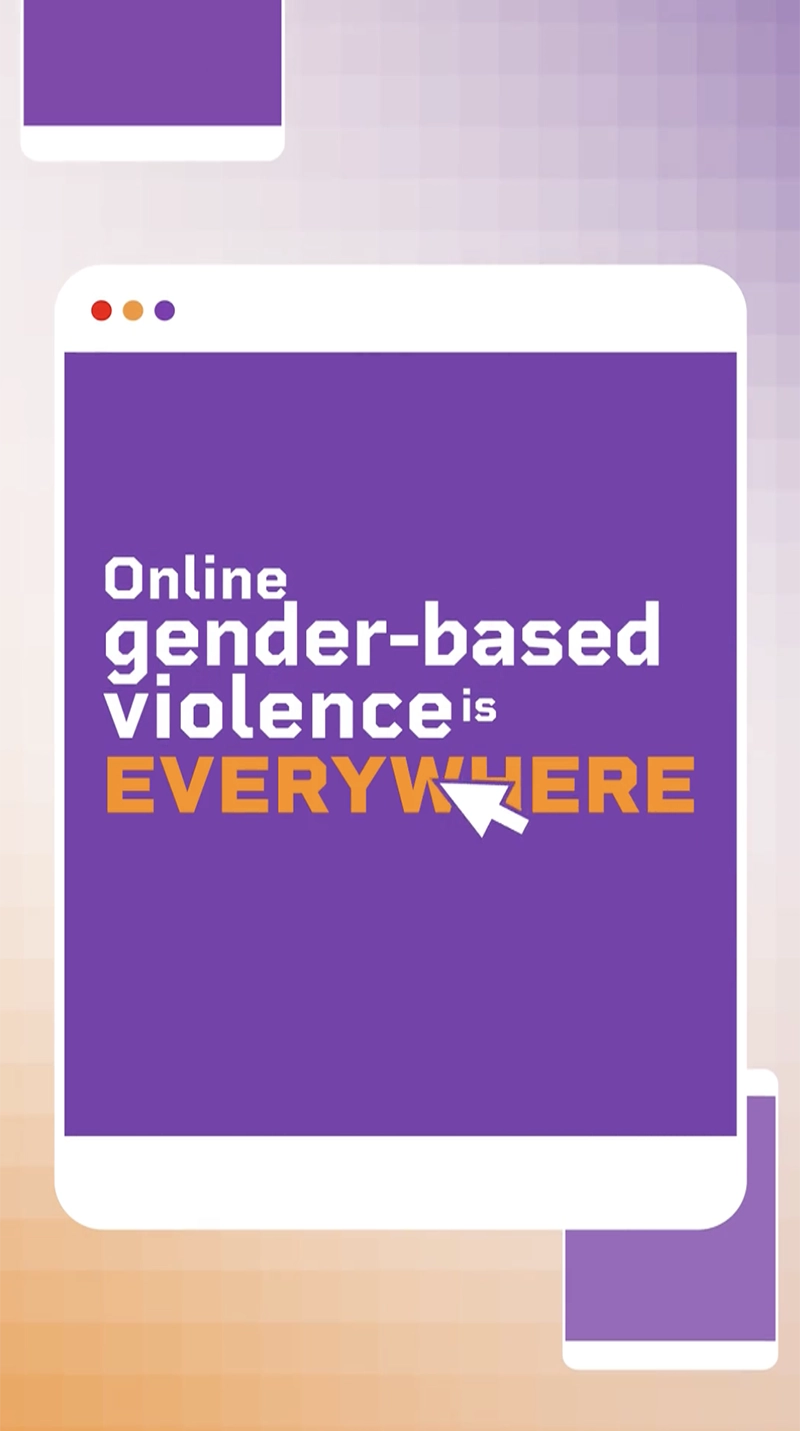
What the workshop produced strategically, the campaign delivered at scale. A launch video, animated GIFs, and a comprehensive social media asset suite were the tangible outcome of that regional consensus. All assets were translated into Thai, Vietnamese, Lao, Khmer, English, and Bahasa Indonesia. The goal was simple: reach women and girls in the languages and digital spaces where their rights are most at risk.
***




To provide the best experiences, we use cookies, which allow us to process data such as browsing behavior on this site.