Brand identity, social media assets, and event facilitation for a UNICEF summit where girls and young women from 19 countries across Asia and the Pacific came to lead the conversation on girls' rights and climate action.
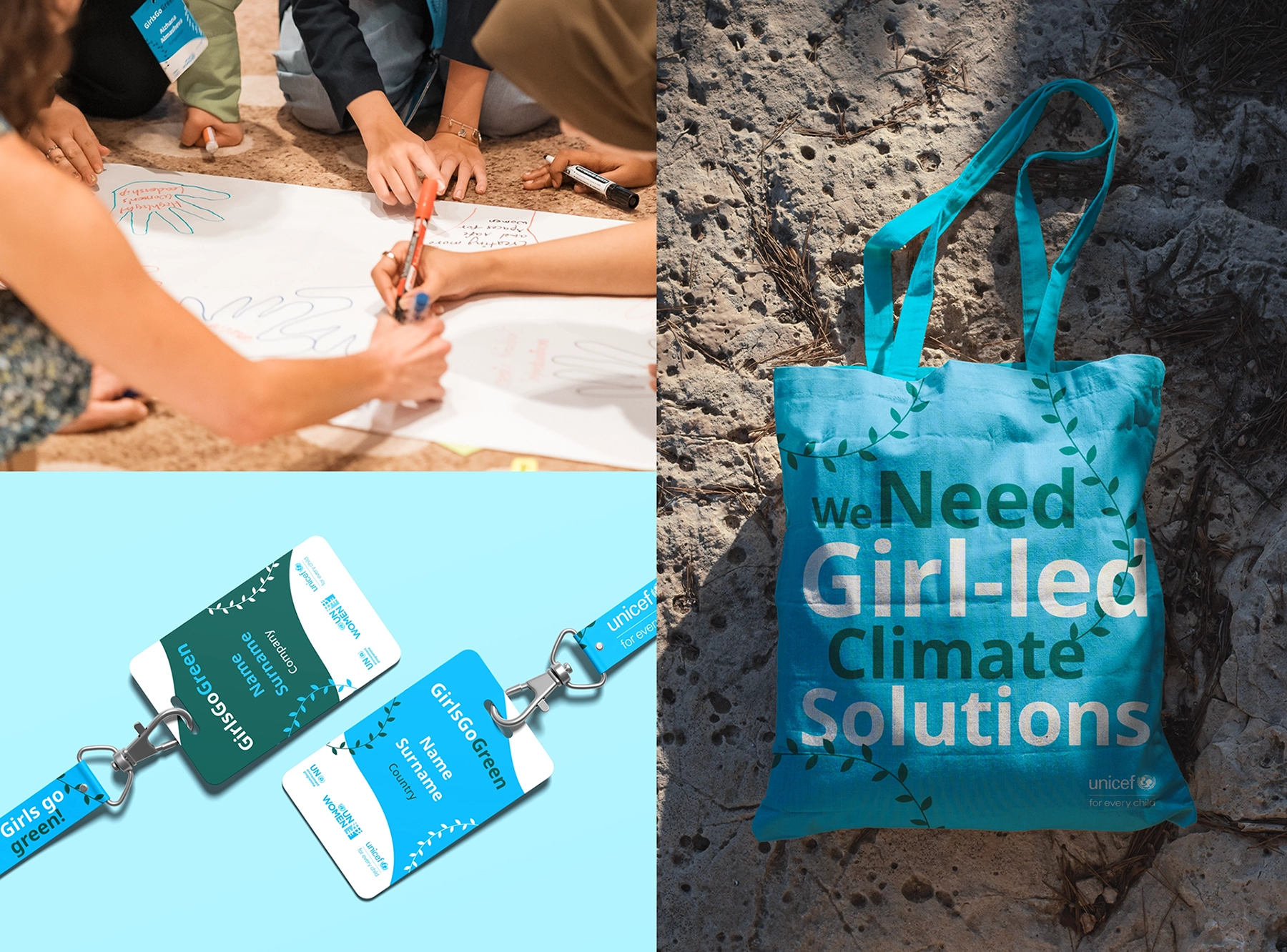
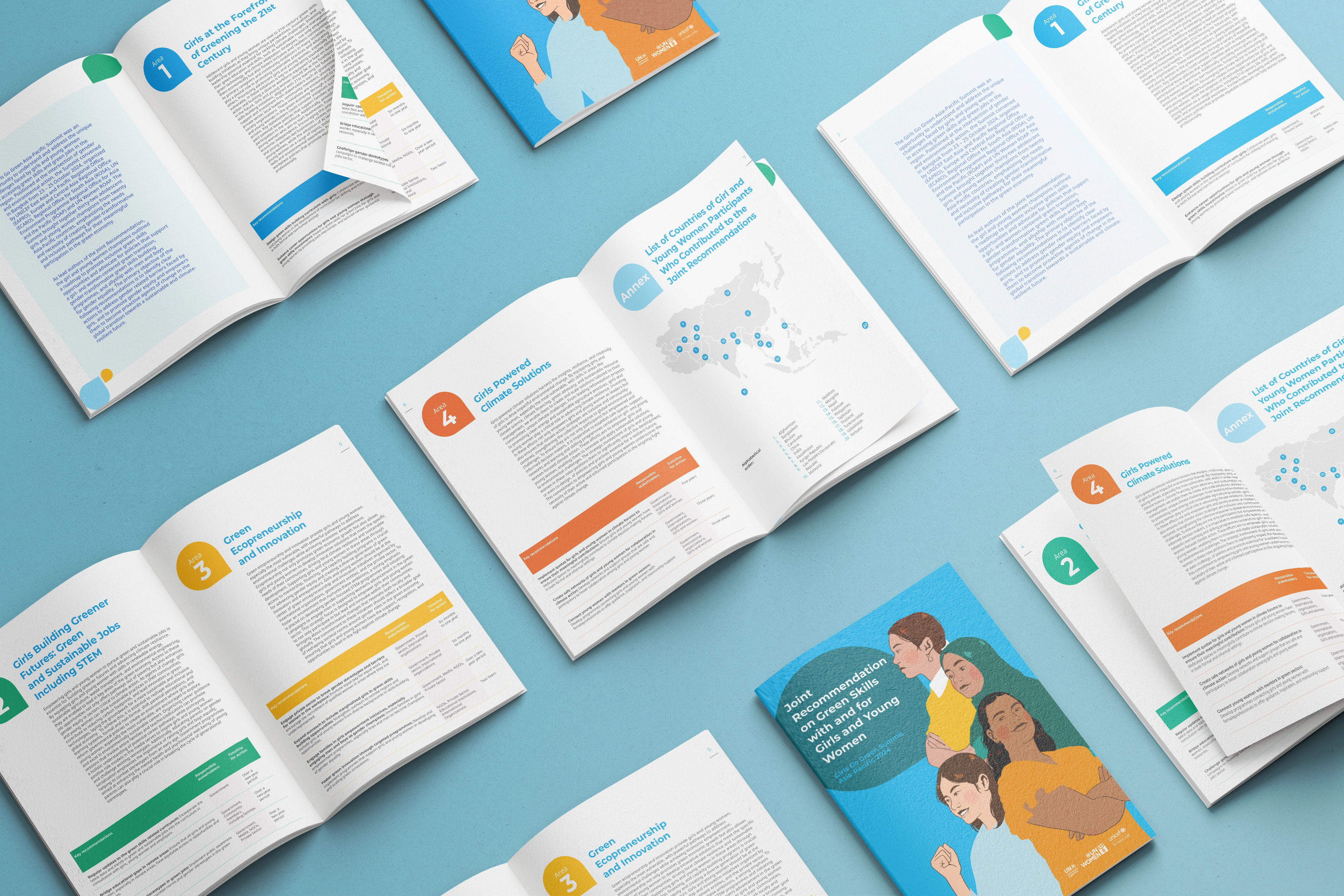
In October 2024, girls and young women from 19 countries gathered in Bangkok, Thailand, for the Girls Go Green Summit, a climate action event for girls convened by UNICEF East Asia and Pacific. They came as activists, advocates, and experts in the realities their communities face. Over three days, they produced joint recommendations for governments, the private sector, and international organisations on green skills, green jobs, and gender-transformative climate action. We were brought in to lead the climate action event branding, produce the social media assets, and facilitate the summit itself.
The summit’s urgency was grounded in a stark reality. By 2030, an estimated 18 million jobs are projected to be created in energy sustainability globally — but only 4 million of those are expected to go to women. Of 64 green skills development initiatives reviewed across Asia, only just over a quarter specifically targeted girls. The Girls Go Green Summit existed to challenge that trajectory, placing girls and young women not as participants in the green transition, but as its leaders and rights-holders.
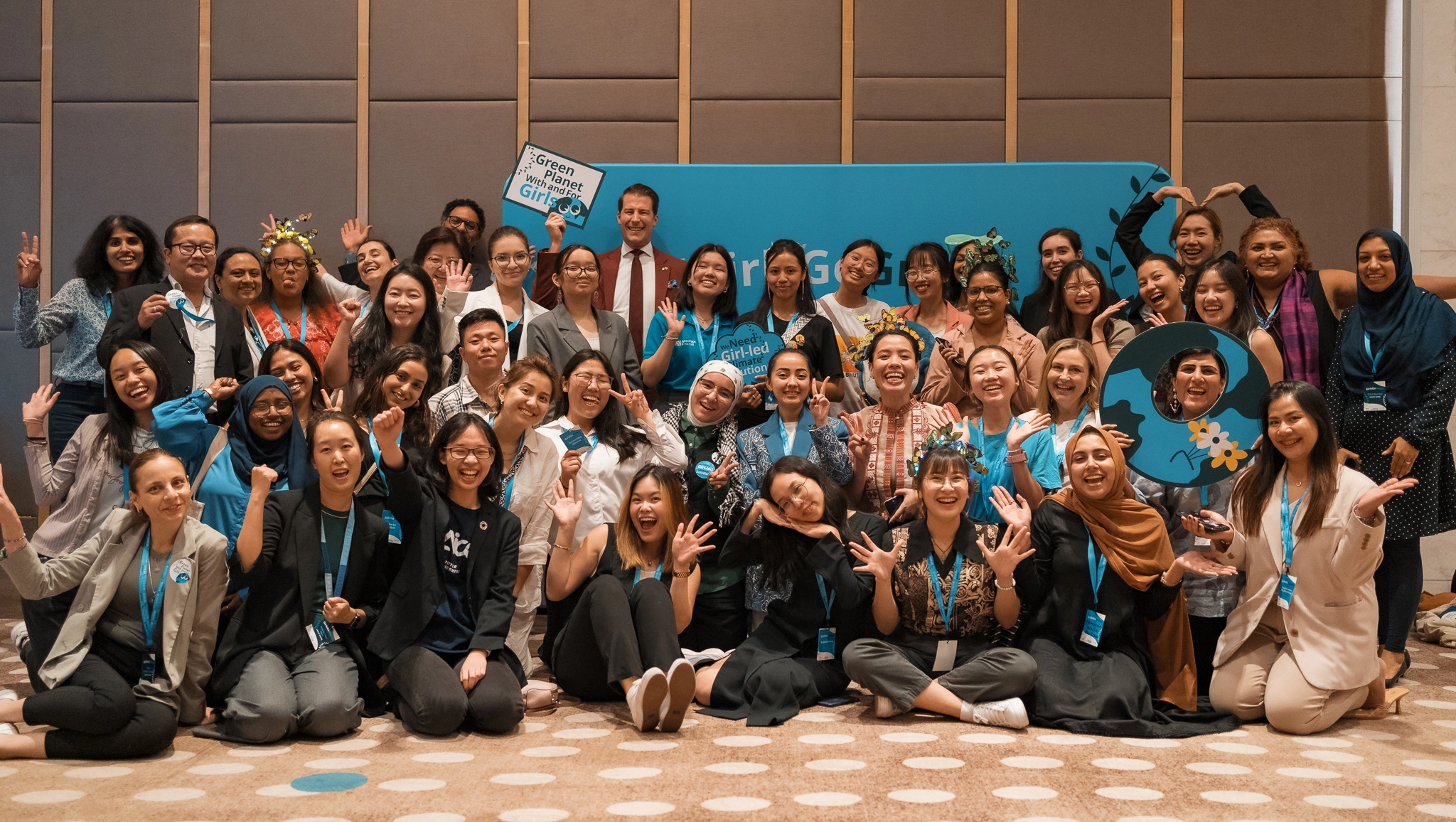
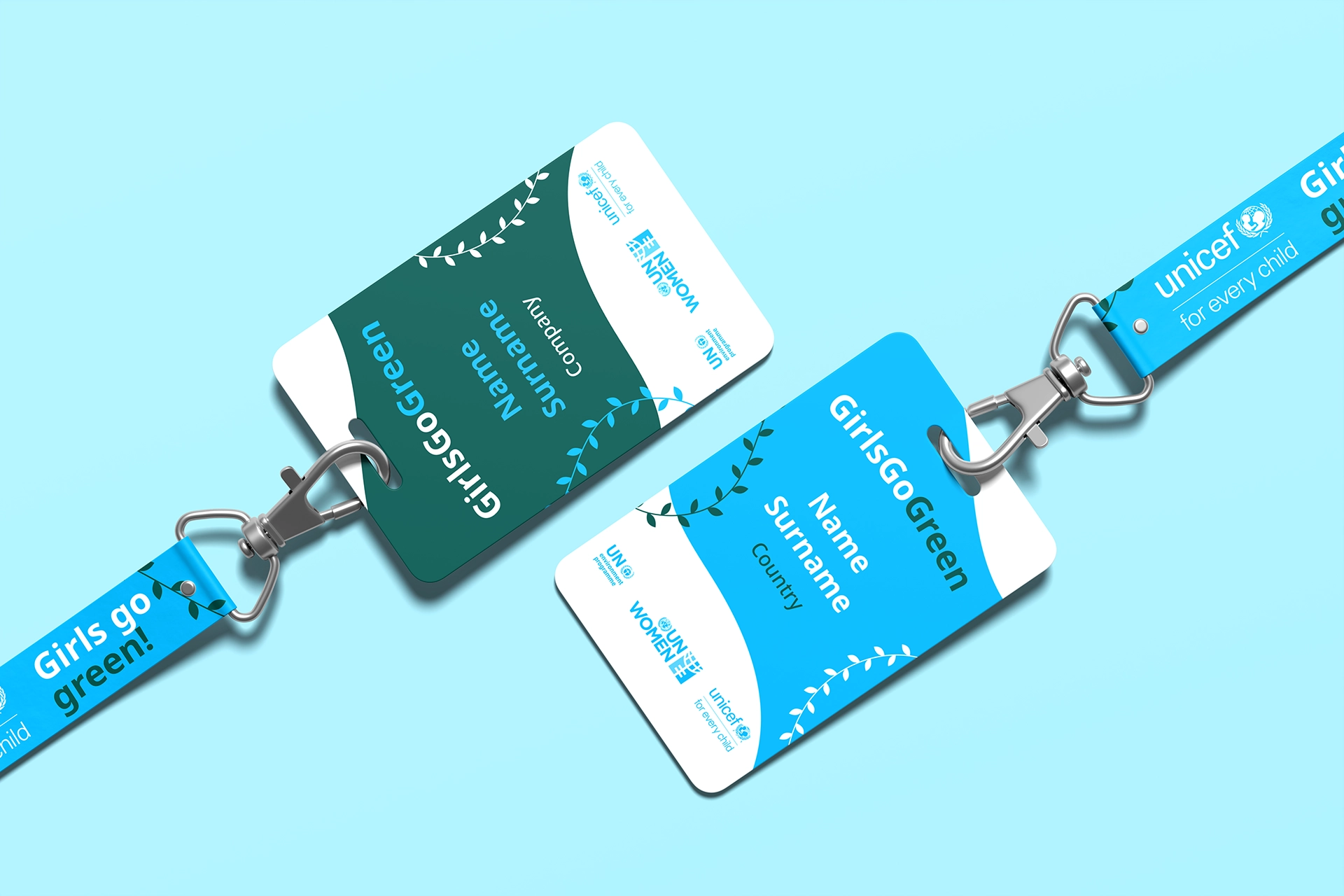
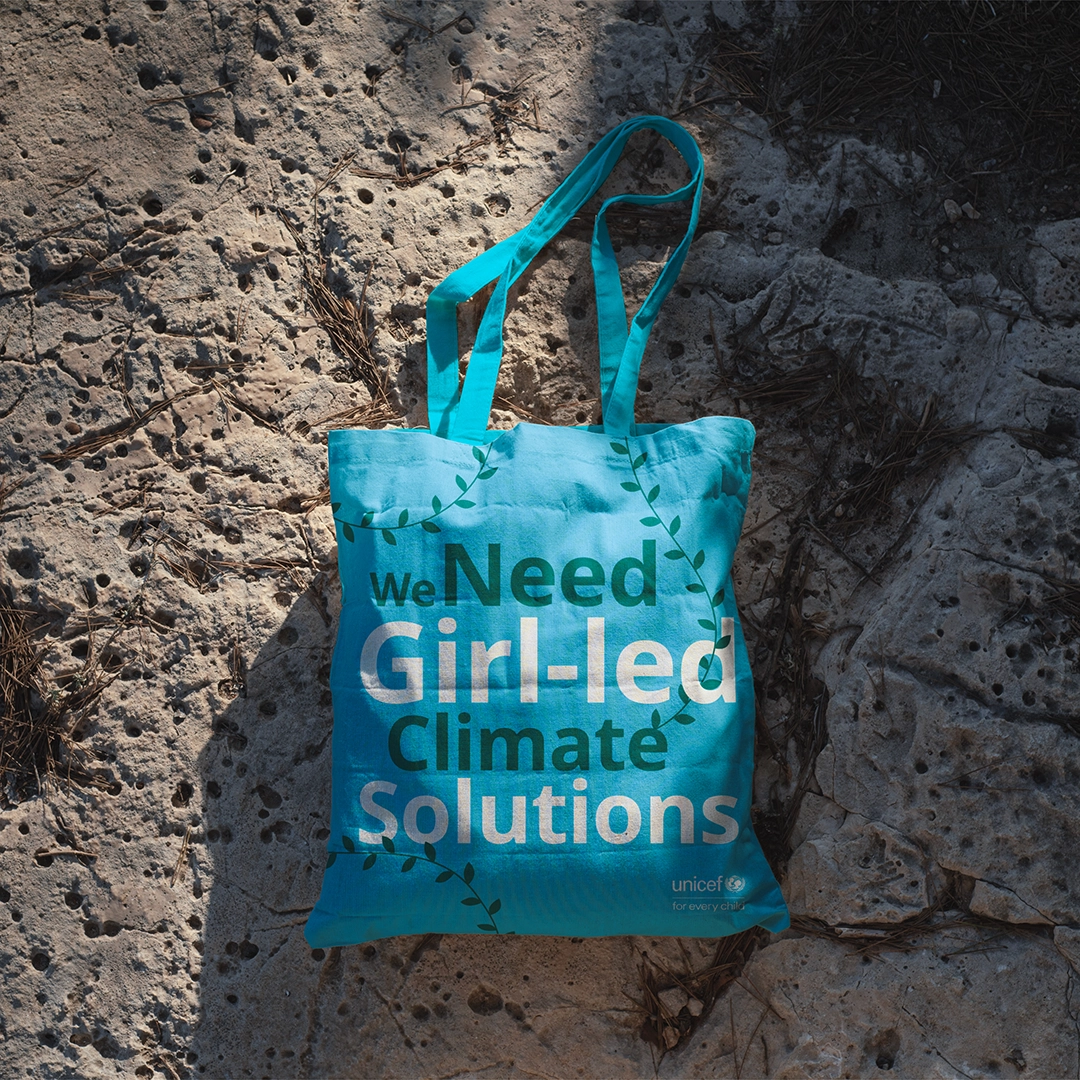
UNICEF East Asia and Pacific brought us in across three distinct areas of work. We developed the complete brand identity for the Girls Go Green Summit — designed to sit within UNICEF’s brand standards while expressing something distinct: the urgency, the collective power, and the agency of young women demanding their place in climate decision-making. From that identity we produced all event collateral and a suite of illustrated social media assets, built to extend the summit’s reach and impact across the region.
We produced video testimonials capturing the voices, experiences, and climate recommendations of young female activists from across Asia and the Pacific. These were not illustrative additions to the summit’s outputs. They were the outputs — direct documentation of what girls said, what they know, and what they are asking decision-makers to act on. Each piece of content was designed to travel: into feeds, into briefings, and into the conversations happening well beyond Bangkok.
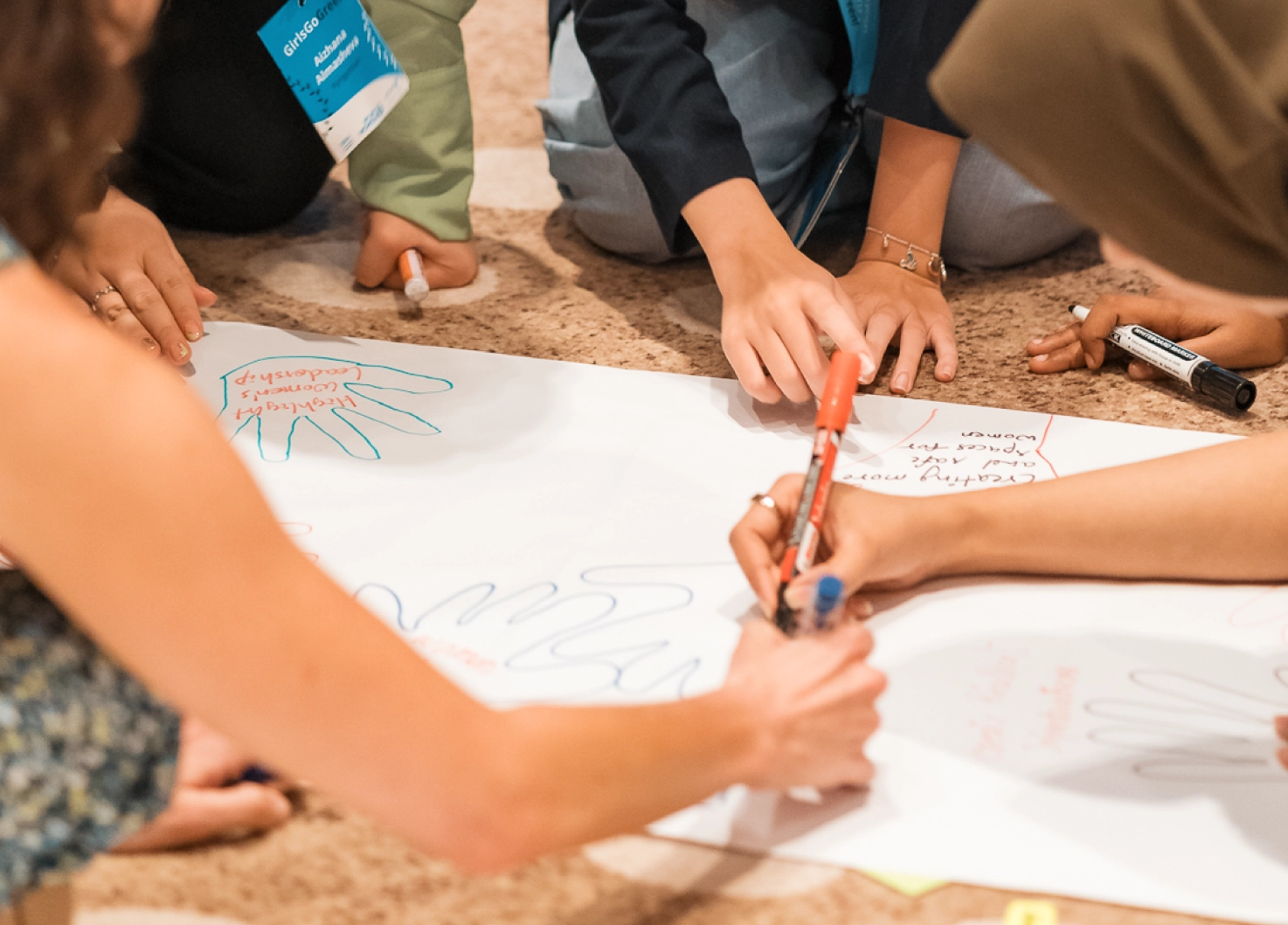
The third element of our work was facilitation. We moderated the summit itself, helping create the conditions for young women from 19 countries to exchange knowledge, build connections, and produce recommendations that were genuinely theirs. The joint recommendations that emerged call for gender-transformative pathways into green skills and green jobs, and for girls and young women to be recognised not as future leaders but as the leaders they already are.
***





To provide the best experiences, we use cookies, which allow us to process data such as browsing behavior on this site.