An advocacy campaign for IDMC that puts disaster displacement at the centre of global climate negotiations ahead of COP30 and the UNFCCC process.
Every year, climate-related disasters force millions of people from their homes. Floods, cyclones, wildfires, droughts. The scale is already enormous. As extreme weather events grow more frequent and more intense, that scale is set to rise. Yet displacement remains largely absent from the frameworks where climate policy is made. Governments negotiate loss and damage. They discuss adaptation and mitigation. The people who have already lost everything are rarely counted in those conversations.
The Internal Displacement Monitoring Centre exists to change that. As the leading global authority on internal displacement, IDMC produces the data and evidence that makes the invisible visible. Ahead of COP30 and the UNFCCC negotiations, they needed a campaign that could carry that evidence into the spaces where policy decisions are made and demand that displacement be treated as what it is: a critical, measurable consequence of the climate crisis.
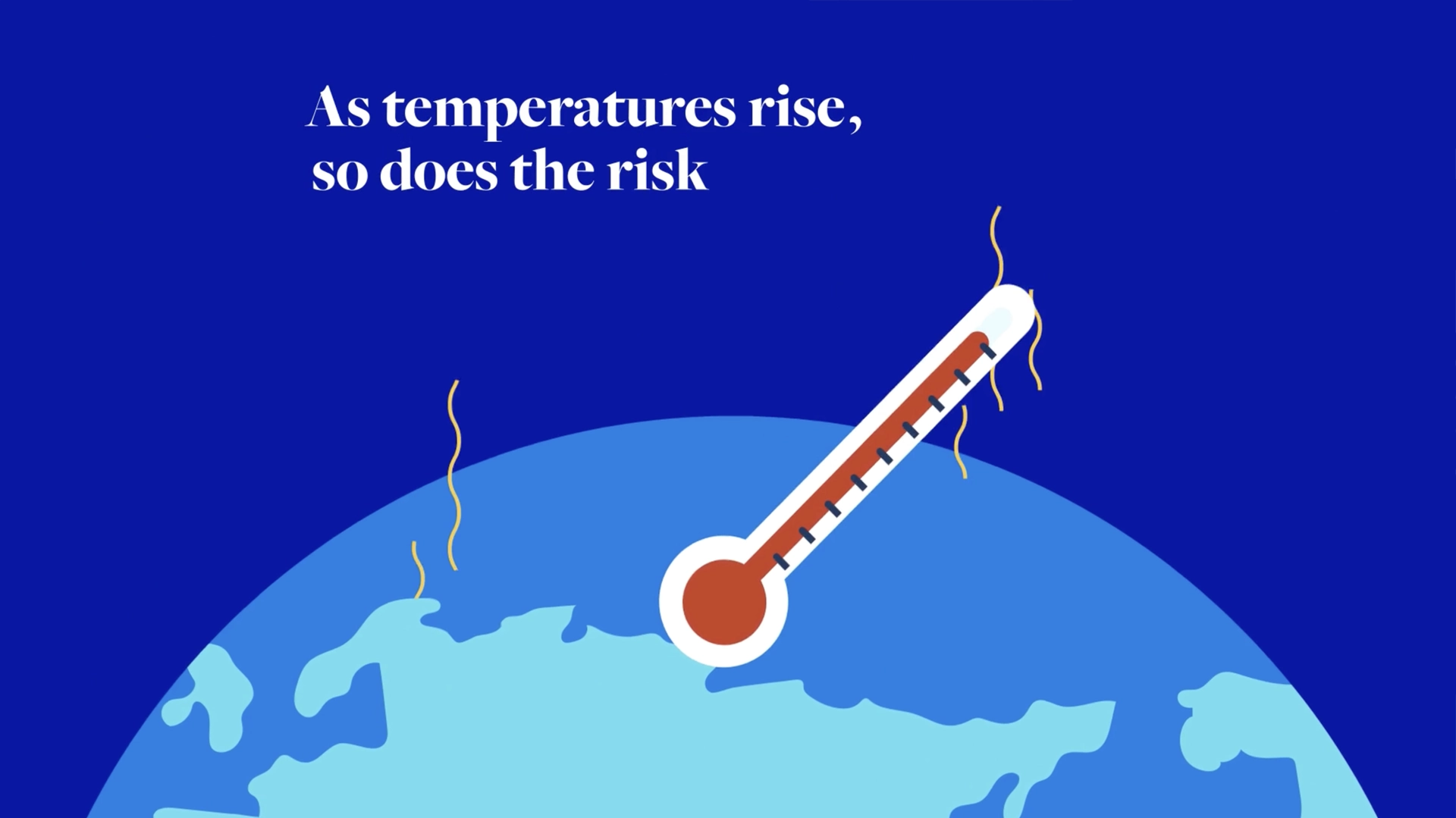
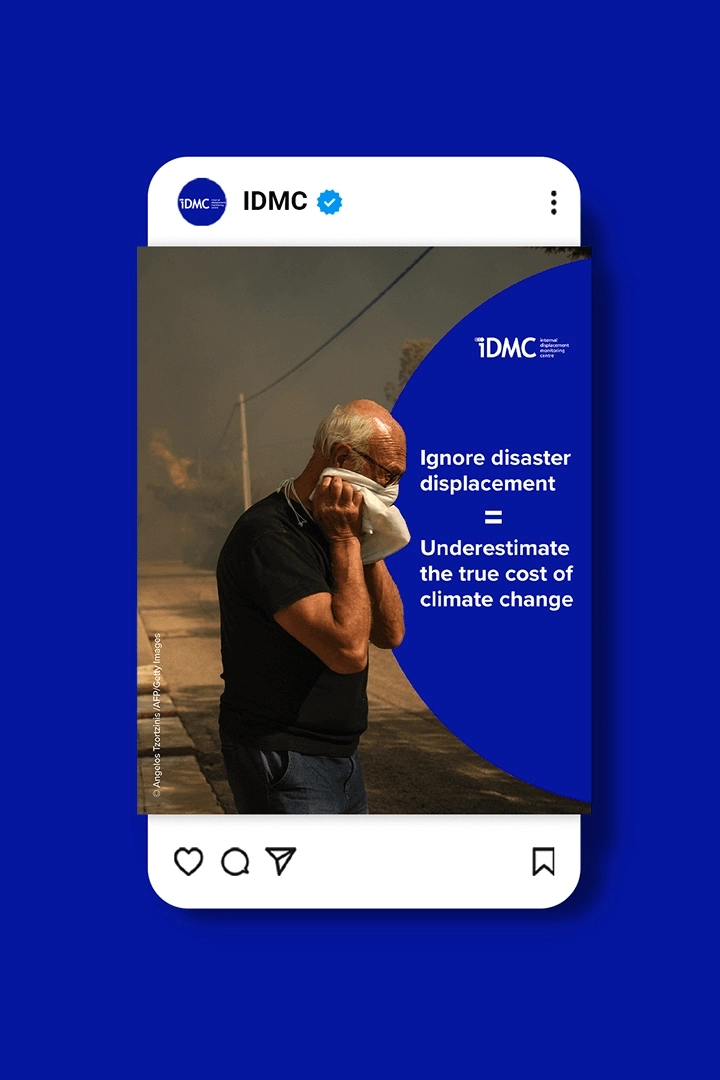
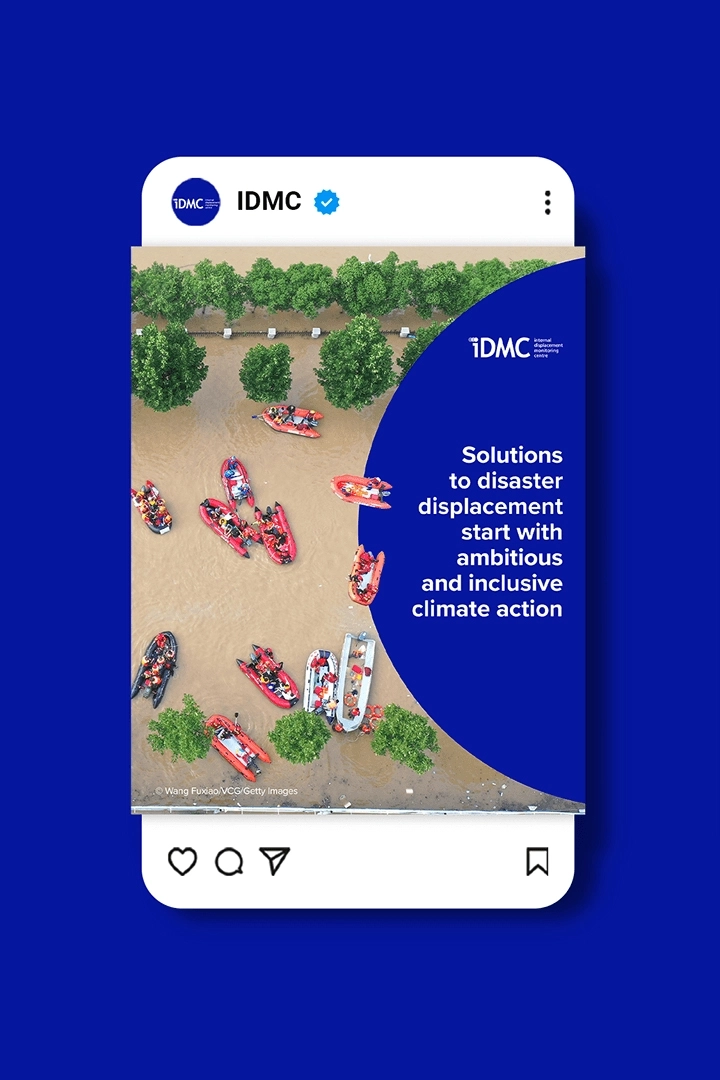
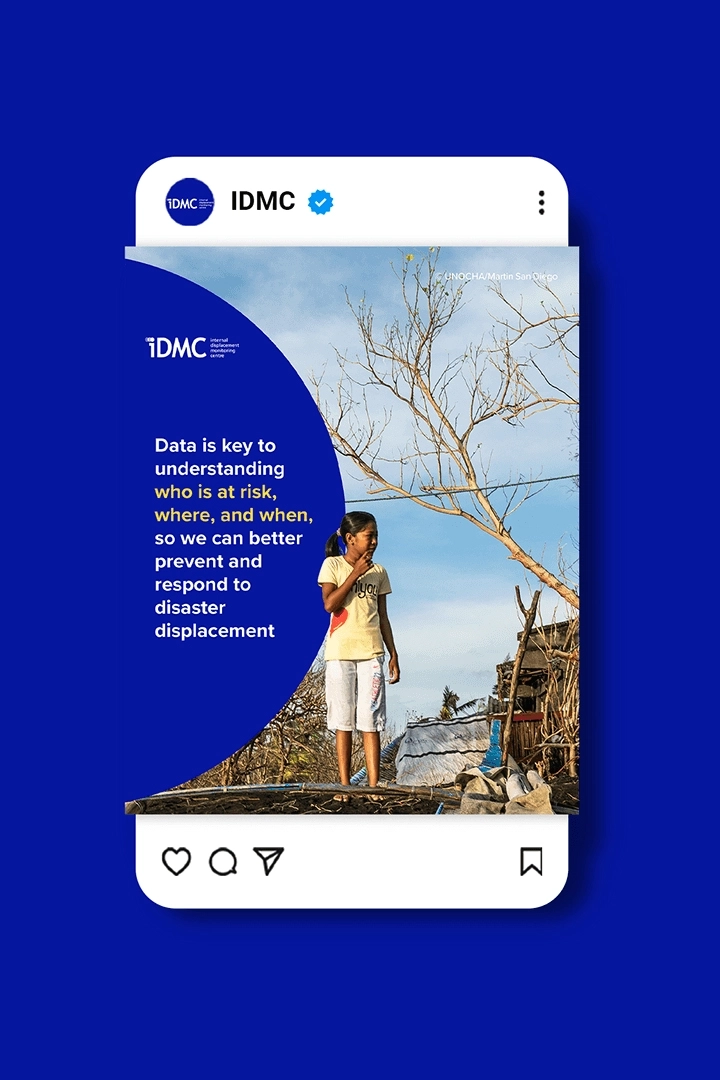
We partnered with IDMC to develop that campaign. Grounded entirely in their data and research, the creative concept frames displacement as a core dimension of loss and damage — not a humanitarian afterthought, but a long-term social and economic consequence that belongs at the centre of climate planning and financing. The campaign speaks directly to the decision-makers with the power to act: governments, negotiators, and technical advisors working on climate policy, national planning, and finance mechanisms.
The design had to match the authority of the evidence behind it. We developed a visual language capable of communicating complex data clearly, and a messaging framework that connects the technical ask to the human reality it is designed to address.
The campaign calls for displacement to be integrated into climate policy and national planning. It advocates for stronger technical assistance, climate finance, and durable solutions that protect people who have been displaced and reduce the risk for those who face displacement in the future.
***

To provide the best experiences, we use cookies, which allow us to process data such as browsing behavior on this site.