How a technical glossary became one of ECPAT's most successful global advocacy campaigns, and why the right words can be the difference between justice and impunity.
Language is not neutral. Court documents sometimes describe child sexual abuse using softened, euphemistic terms. When they do, the consequences are real. The abuse is treated less seriously. Prosecution becomes less vigorous. The child at the centre may not even be seen as a victim. Harmful terminology doesn’t just describe reality. It quietly rewrites it.
That is the problem ECPAT International set out to address with the second edition of their Terminology Guidelines for the Protection of Children from Sexual Exploitation and Sexual Abuse. It is a rigorous resource designed to standardise language across the child protection sector. But a document alone is not enough. The challenge was turning it into a child protection campaign. One that could move social workers, lawyers, government officials, and advocates across more than 120 member organisations worldwide.
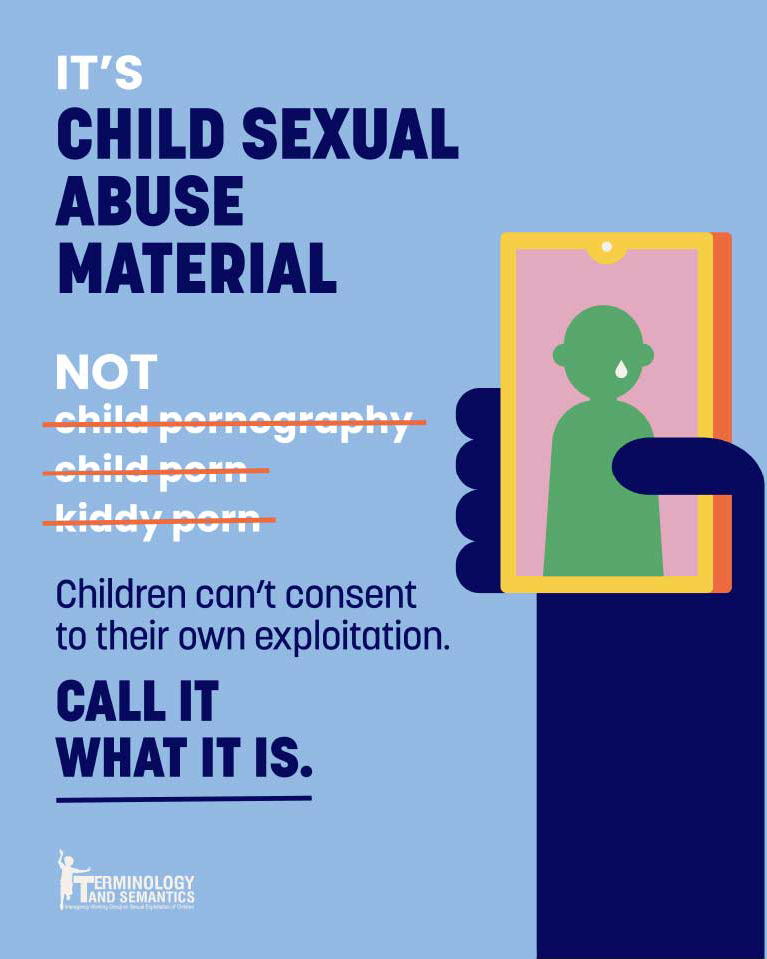
We built the entire campaign architecture around a single, unambiguous call to action: Call It What It Is. The line does everything at once: it names the problem, states the solution, and issues a direct challenge to anyone who has ever reached for a softer phrase when the accurate one was available.
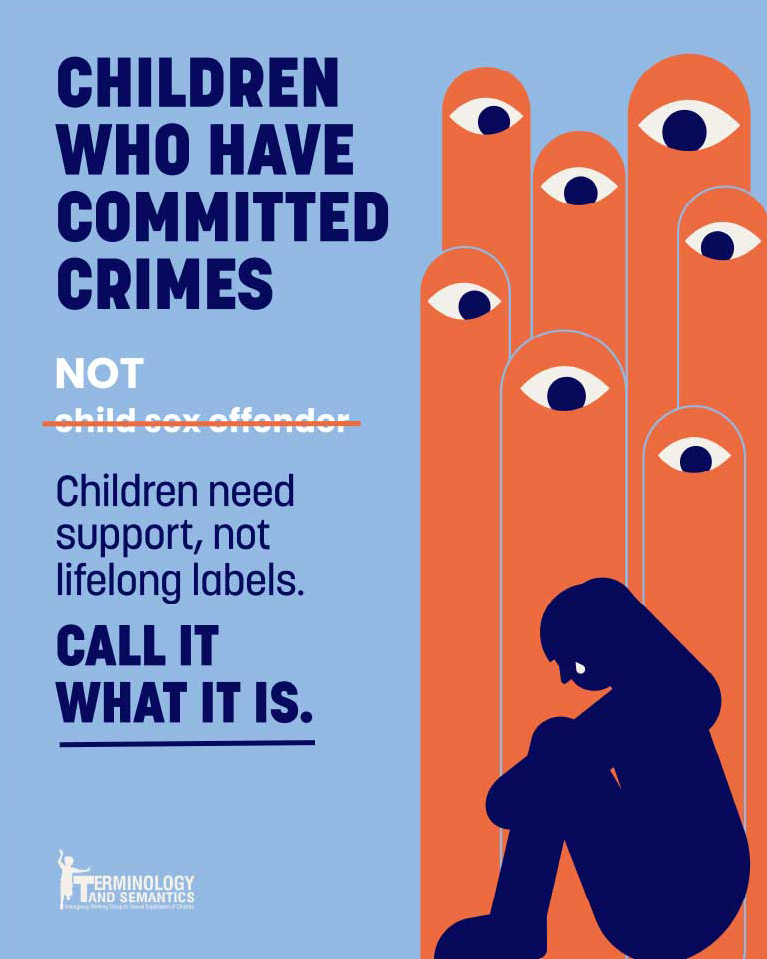
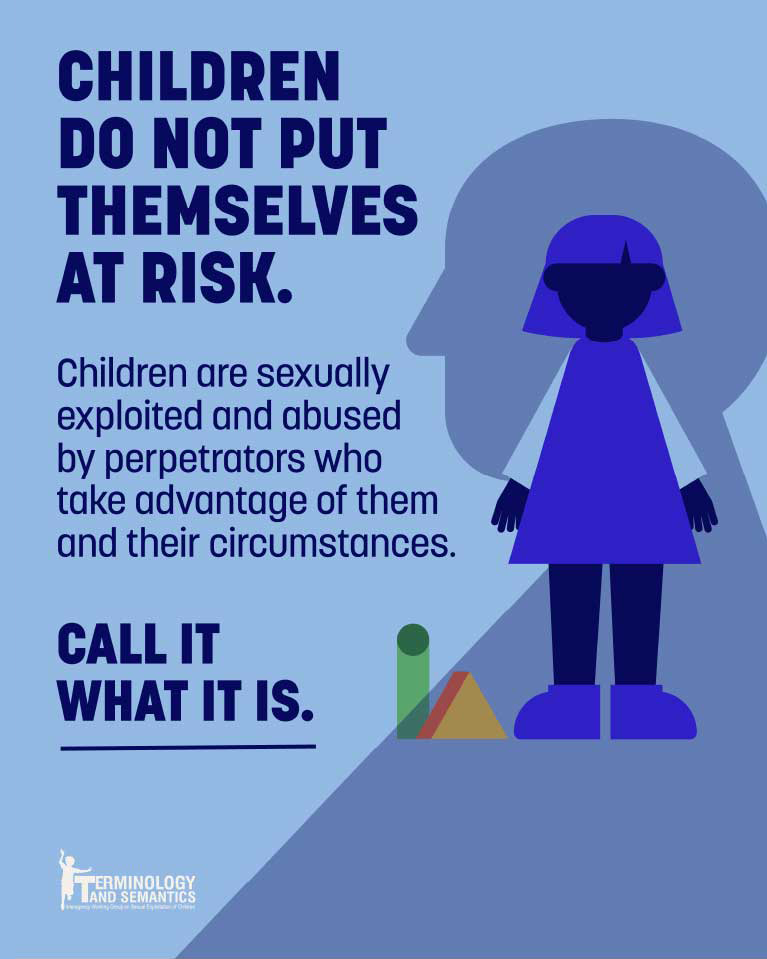
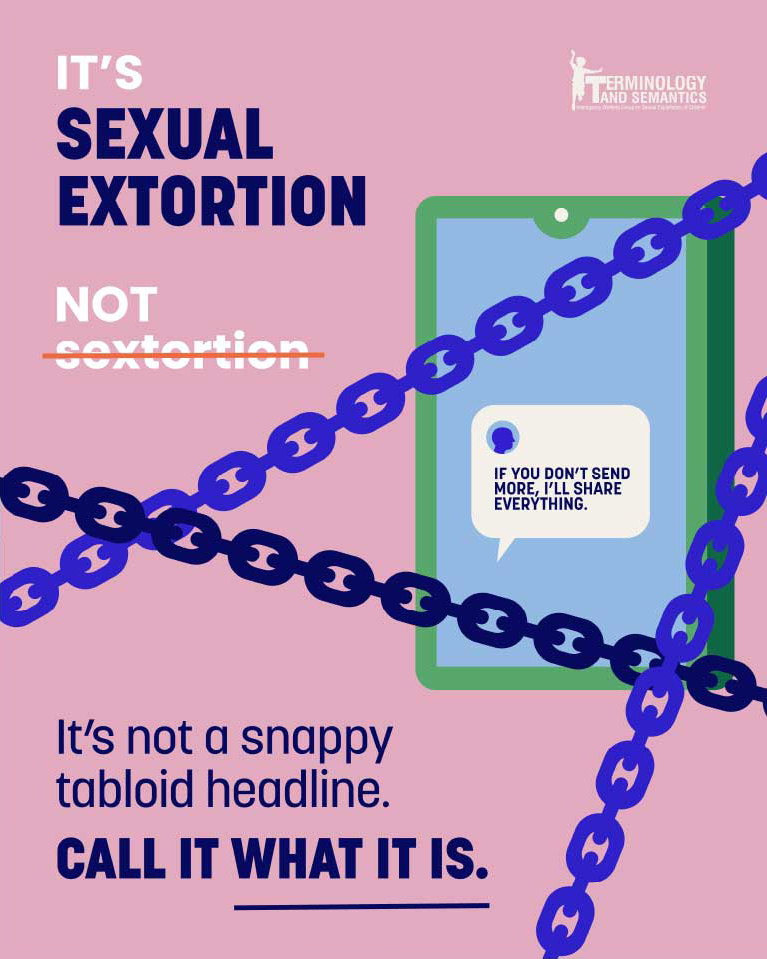
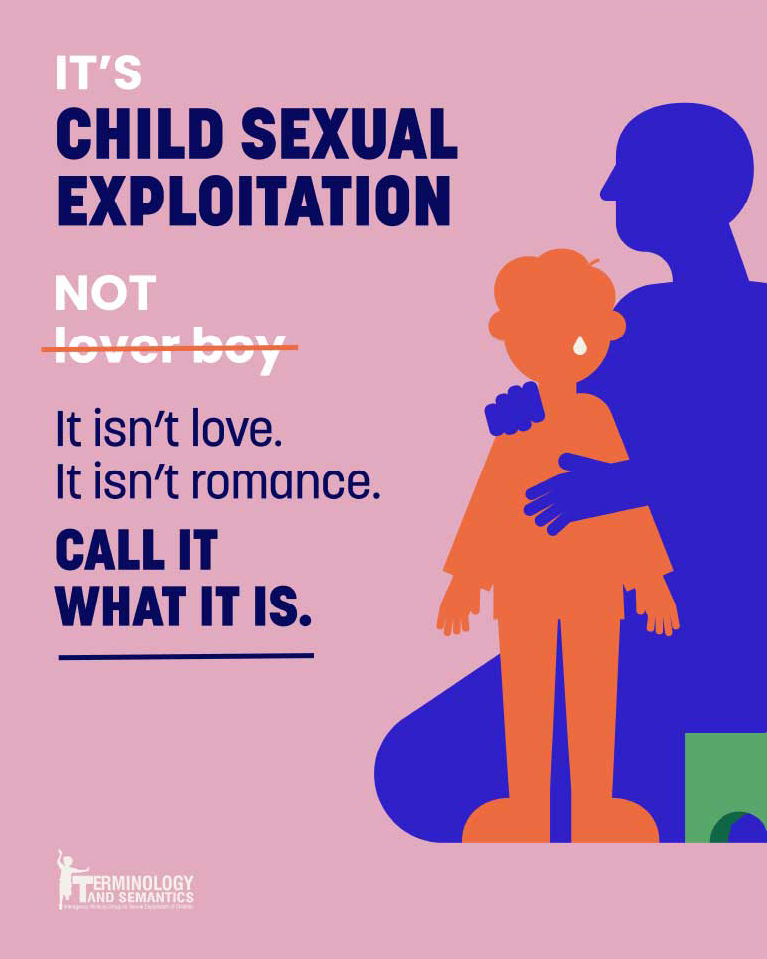
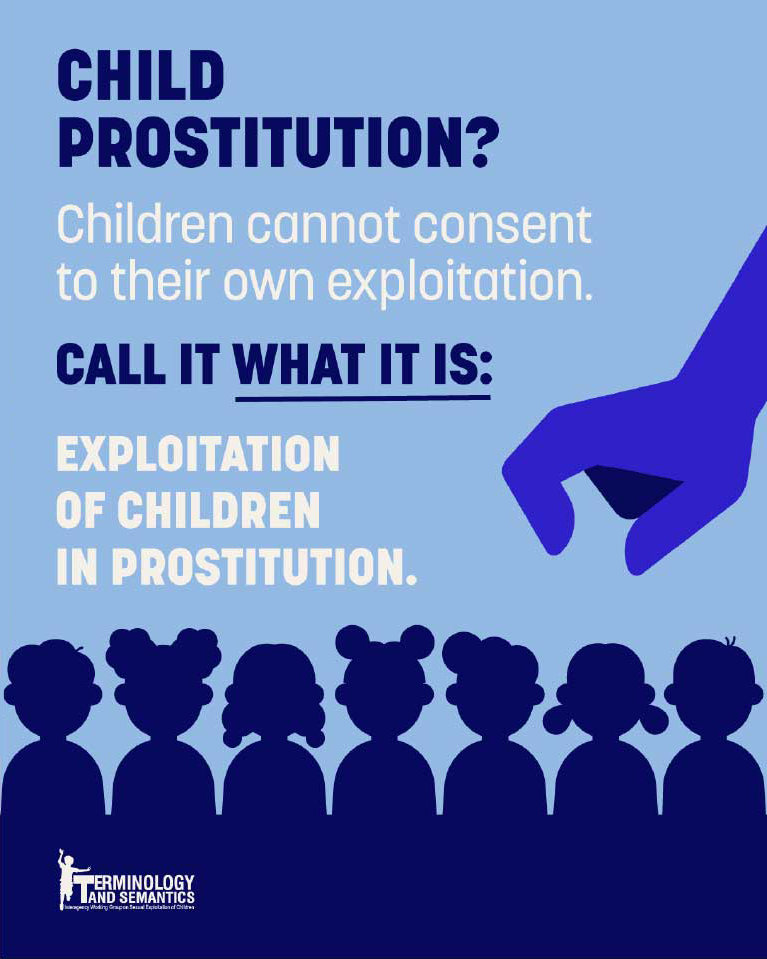
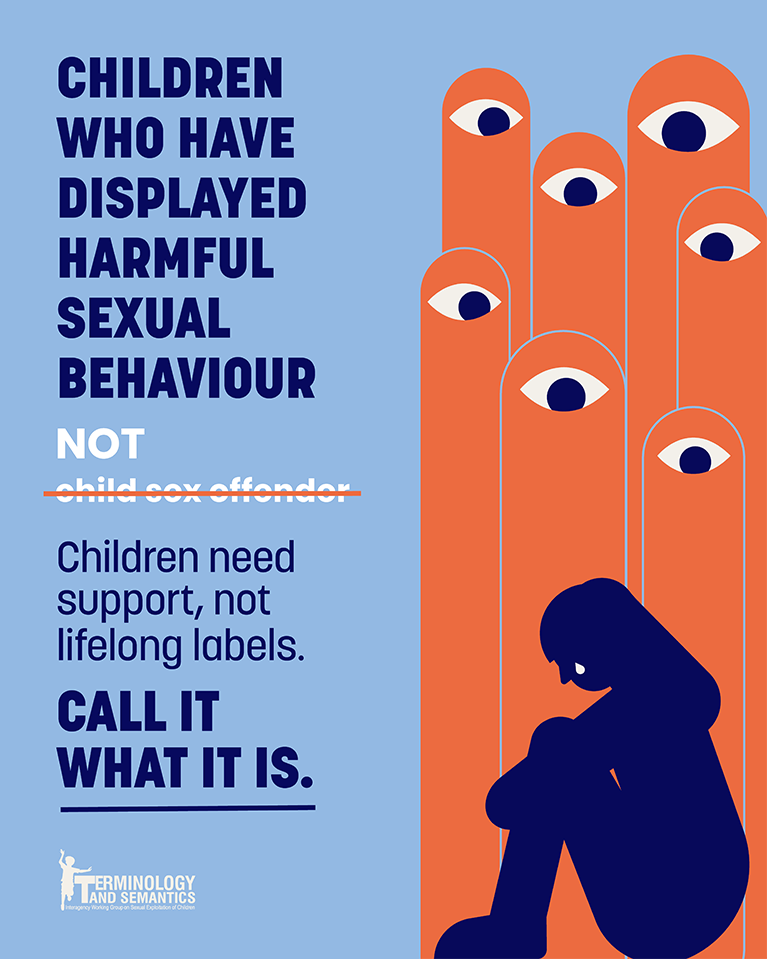
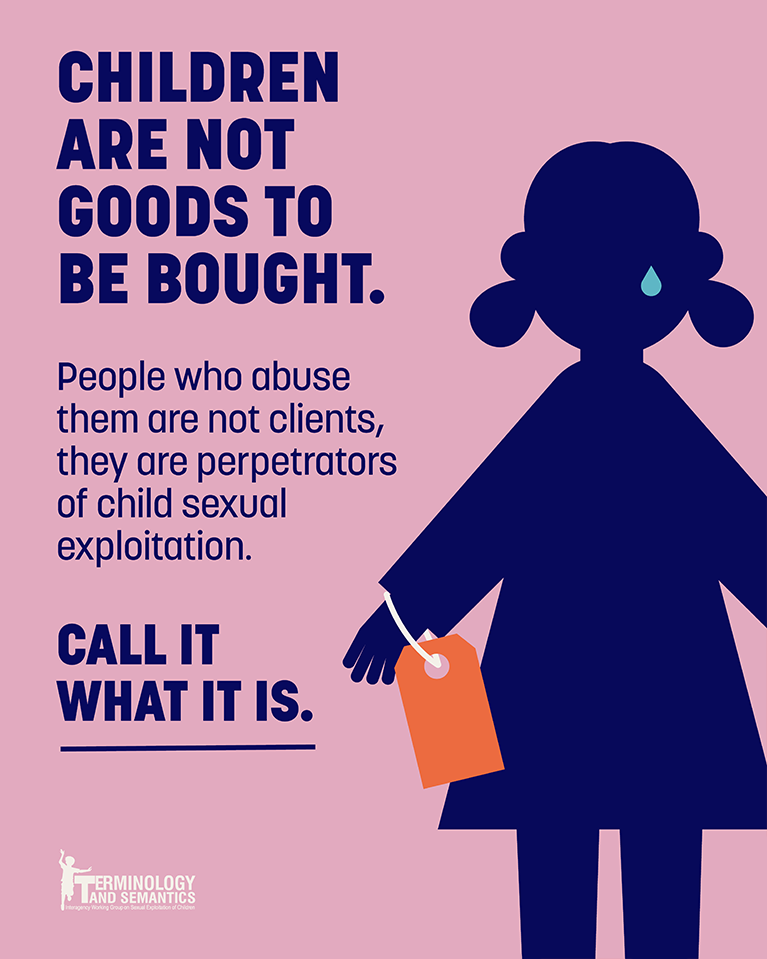
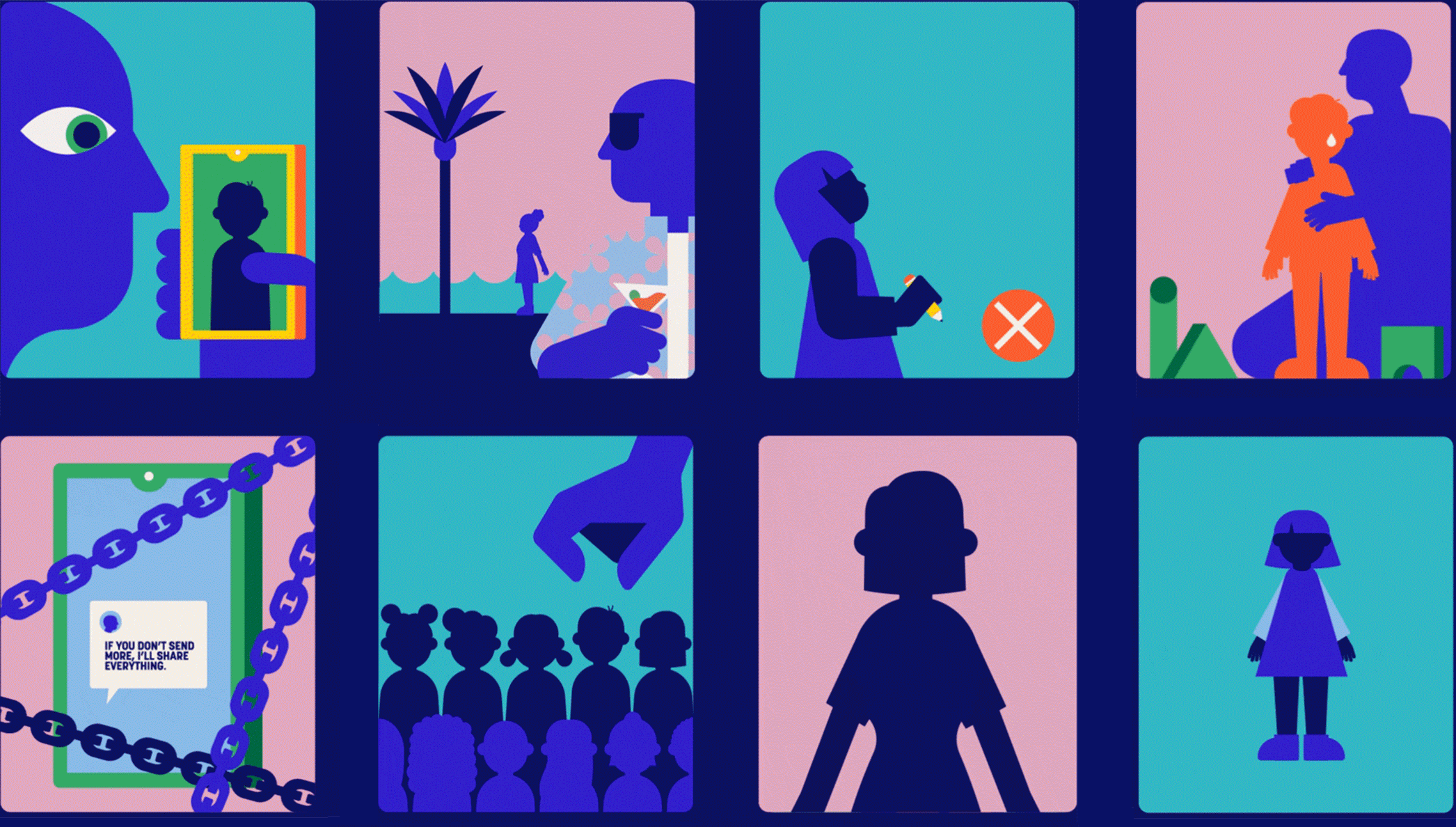
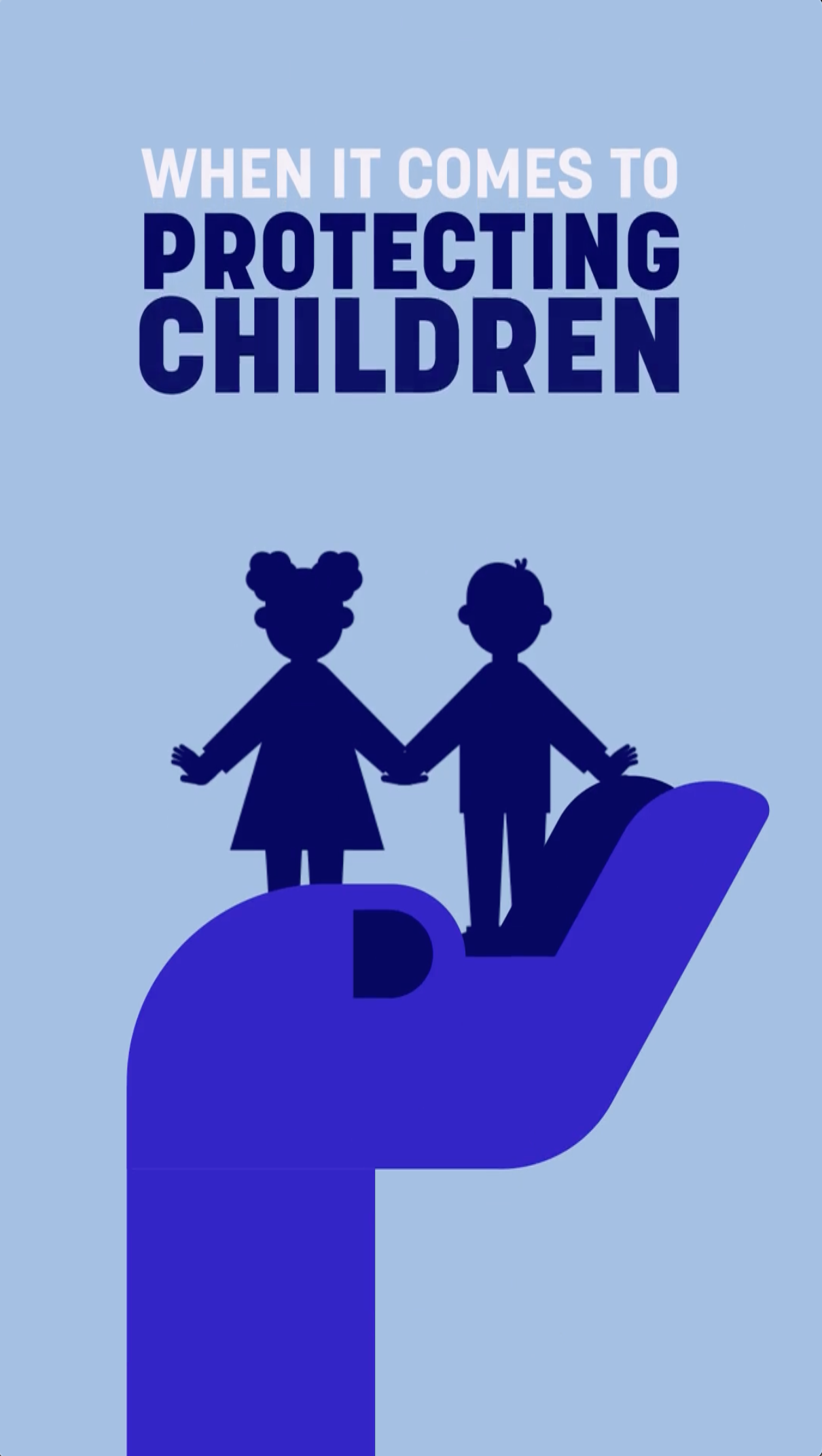
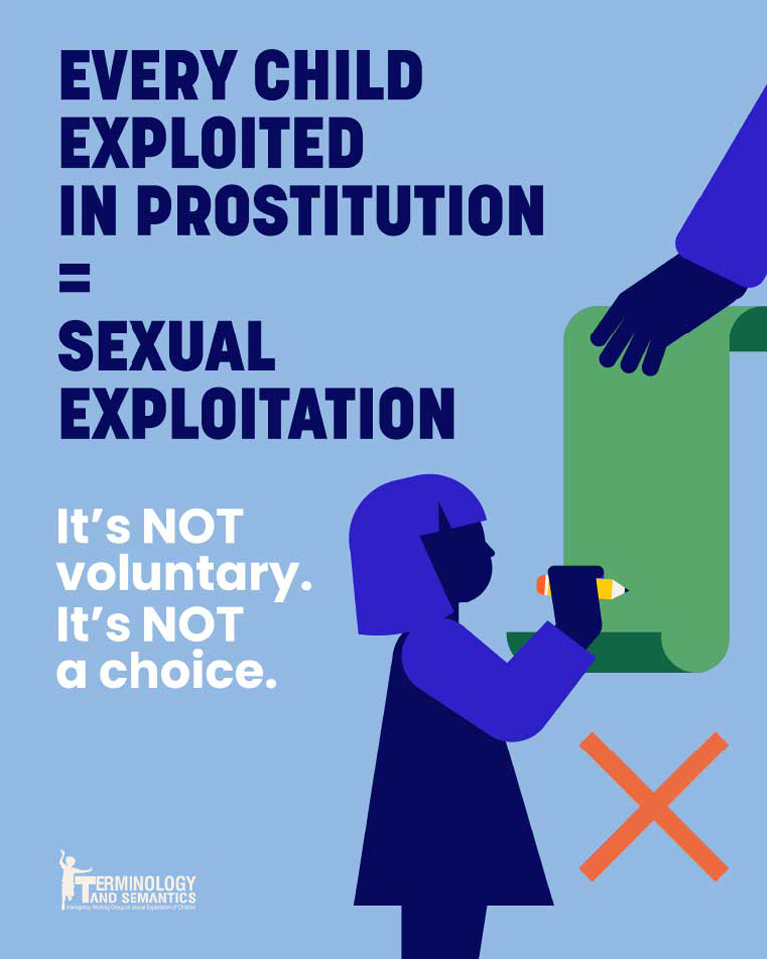
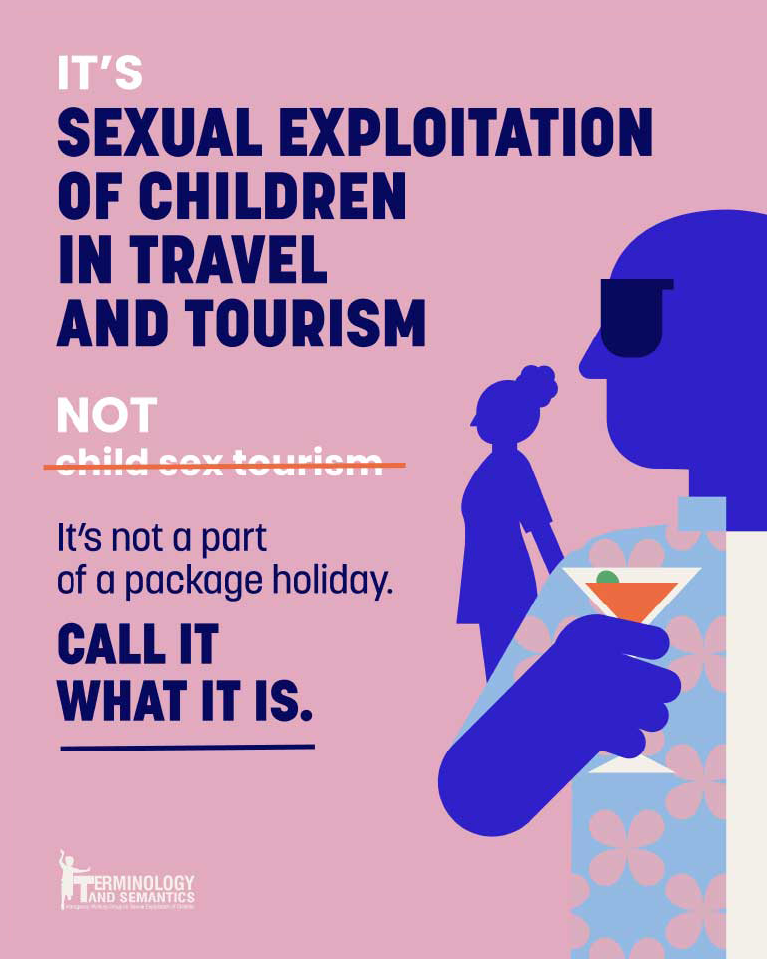
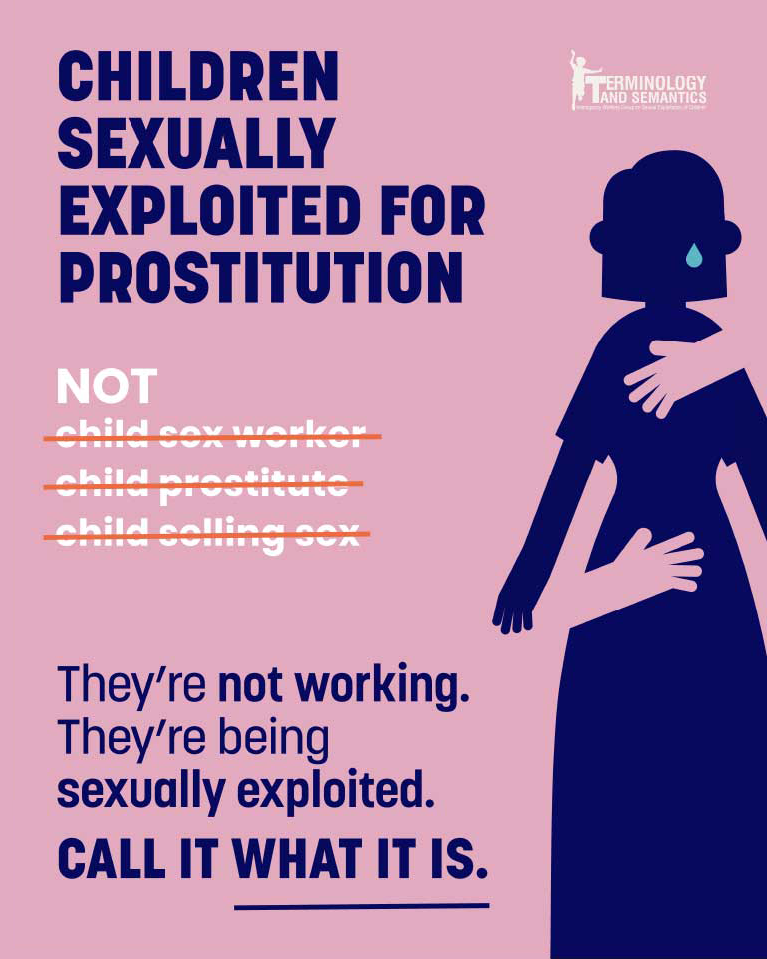
From that core, we developed a full messaging framework. We created a distinctive visual identity deliberately designed to sit outside ECPAT’s own brand. That way, it could travel freely across their international partner network. We also produced tailored illustrations and animated clips. The scalable asset library included static social media graphics, an explainer video, a quick-reference guide for policymakers, and a partner toolkit built for adaptation across languages and contexts.
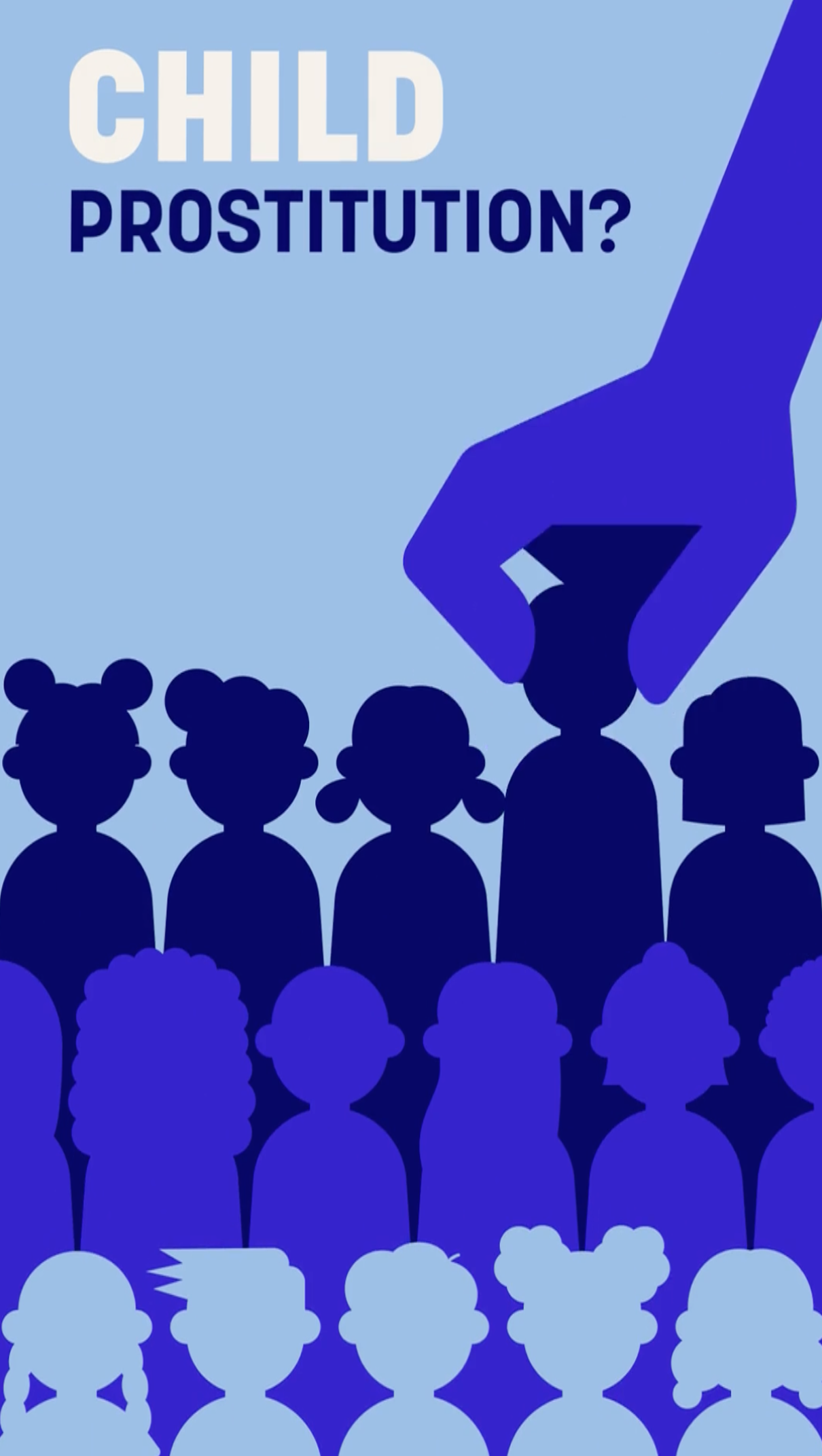
The «Don’t say X, say Y – here’s why» creative format gave the campaign its engine. Each asset delivered a concrete terminology shift with a plain-language explanation of why it mattered, making the technical accessible without making it simplistic. The result was advocacy that worked equally well in a training room in Bangkok, a social media feed in Nairobi, and a policy briefing in Brussels.
The campaign became one of ECPAT’s most successful global advocacy efforts by social media engagement.





To provide the best experiences, we use cookies, which allow us to process data such as browsing behavior on this site.